



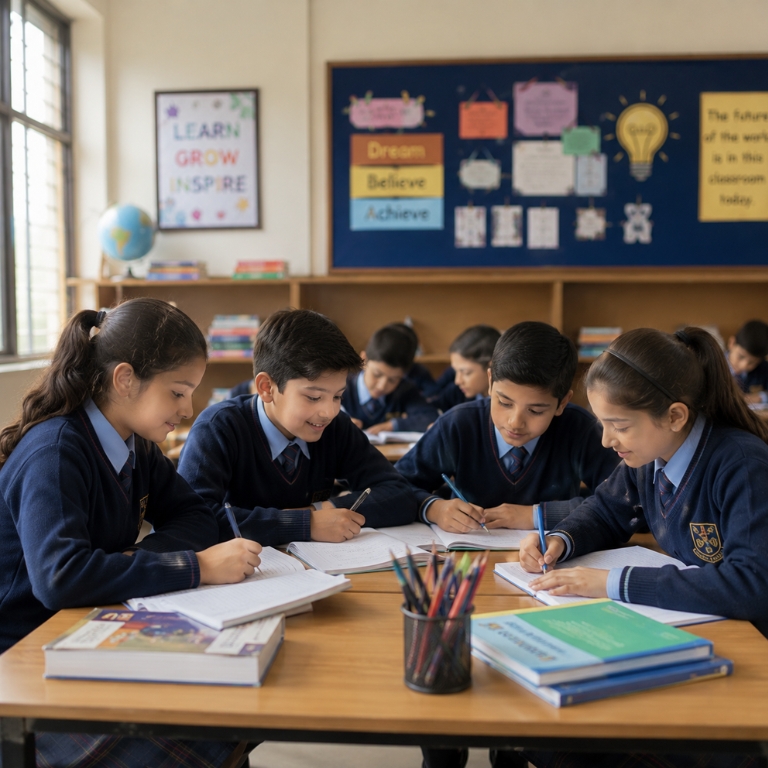
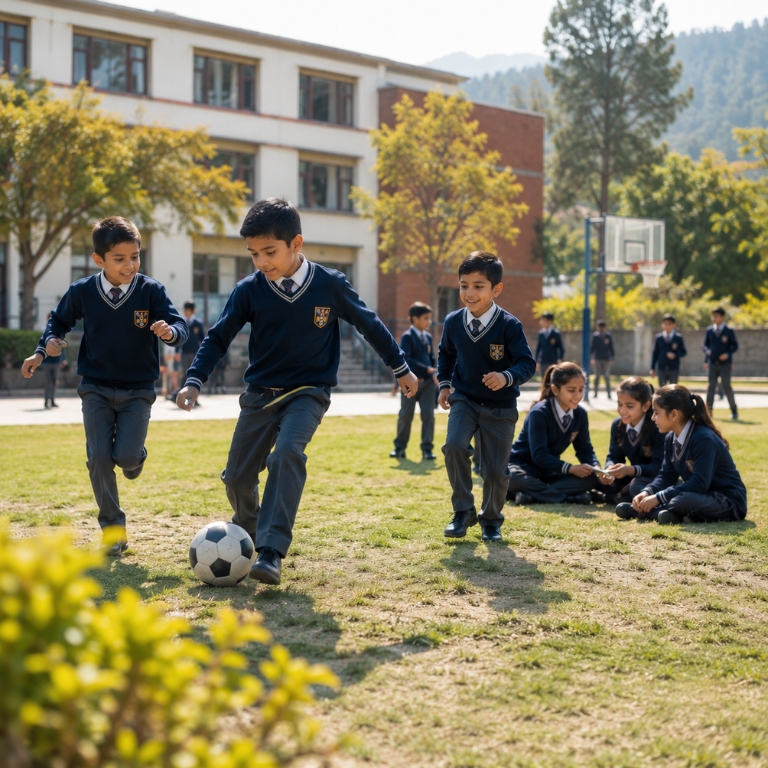
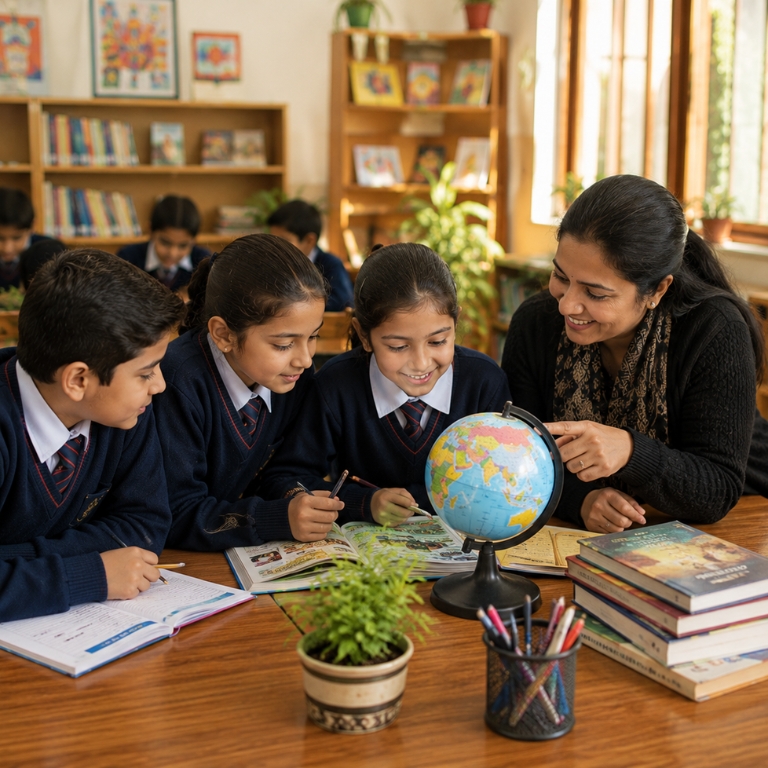
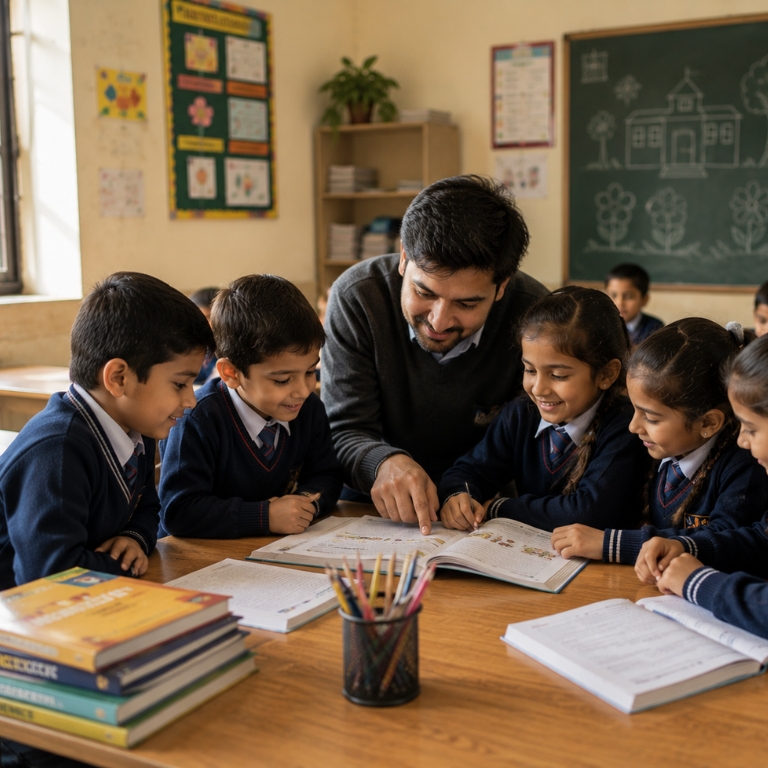
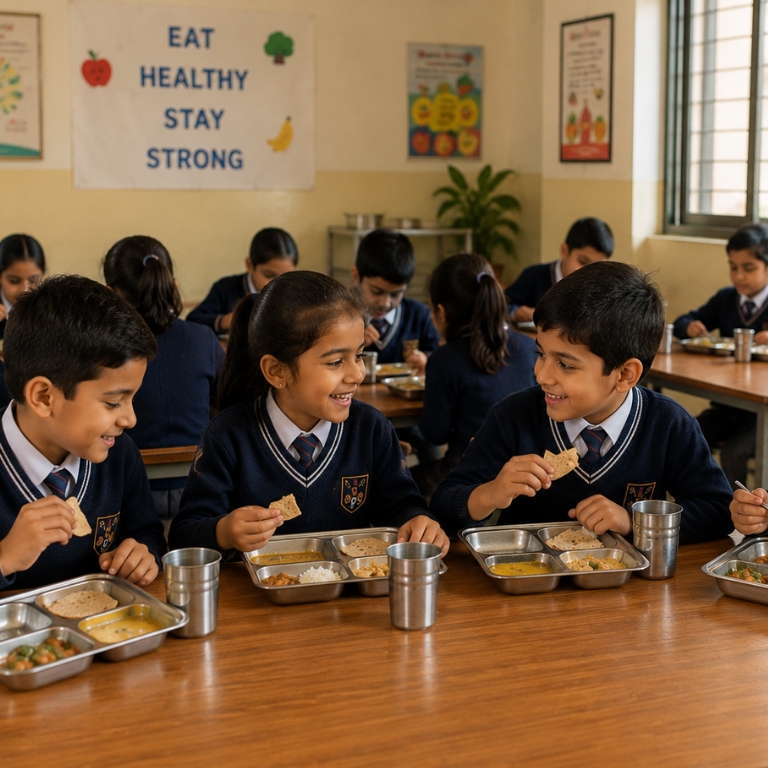

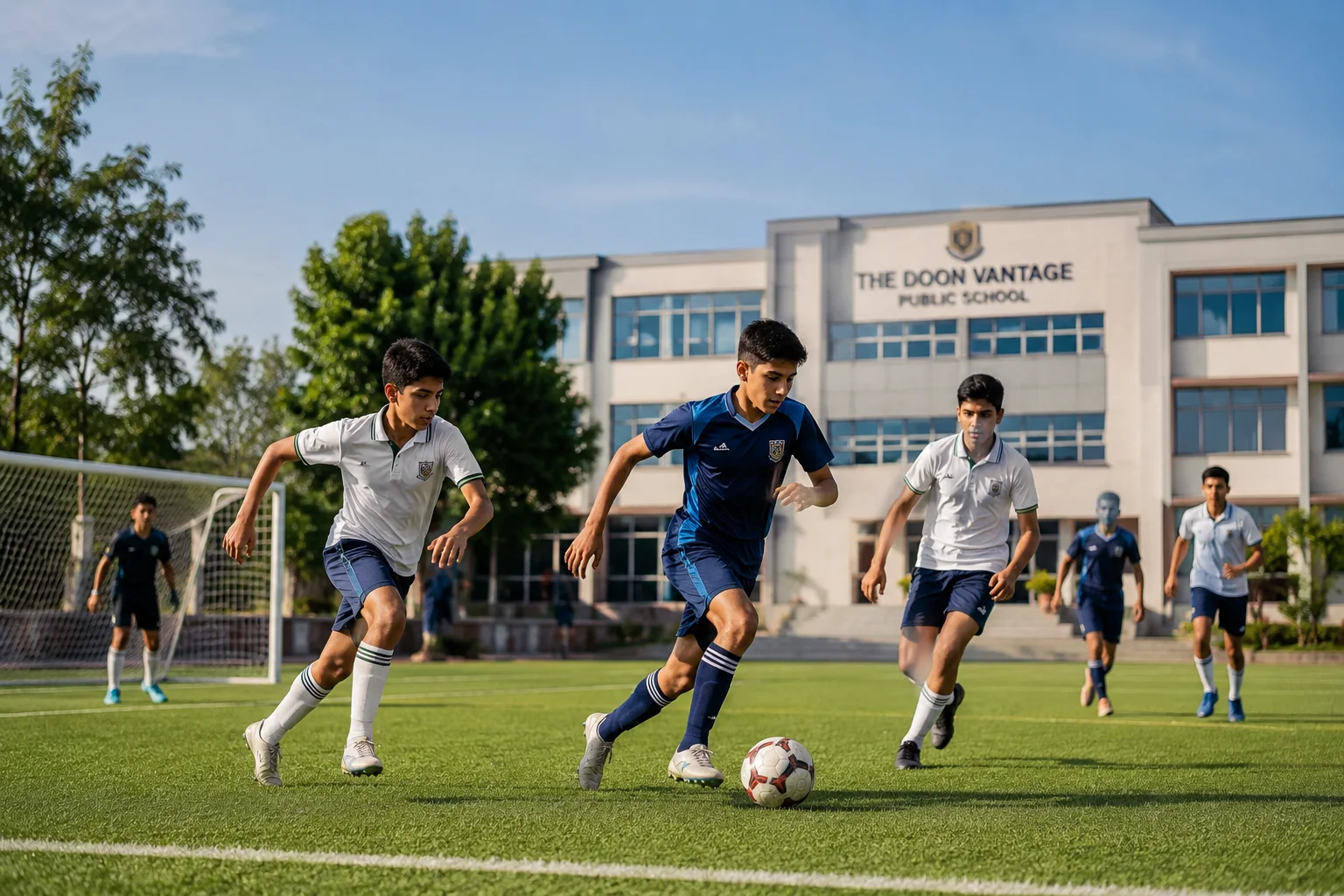
We think true success goes beyond just grades. In today’s India, physical fitness for students is key for growing well-rounded and clear-minded.
Adding regular exercise to daily life helps students deal with study stress. Active bodies often lead to sharper minds. This means our young people can face tough challenges with better focus and energy.
By making sports a big part of education, we help students live a balanced life. This way, sports in education is a big part of making healthy, strong, and successful people for the future.
Key Takeaways
- Physical activity is essential for maintaining mental focus during rigorous academic schedules.
- Regular exercise contributes significantly to the overall well-being of young learners.
- Athletic engagement promotes character building and essential life skills like teamwork.
- A balanced routine helps students manage stress and improve their classroom performance.
- Prioritizing health creates a foundation for long-term personal and professional success.
The Role of Sports in Education
We think that true academic success needs both brain work and body activity. By adding sports in education, we give students the skills to win in today’s world. This way, learning goes beyond just classroom walls.
Defining the Holistic Approach to Learning
A holistic approach aims for the total development of a child. We see that being fit is as key as being smart. Schools that focus on school sports raise kids who are strong in mind and body.
This method goes beyond just memorizing facts. It lets students dive into their passions while keeping up with schoolwork. By loving to move, we help them start a lifelong journey to health.
Bridging the Gap Between Academics and Athletics
Many think study time and play time must be separate. But they don’t have to be. Good sports in education programs show that moving around boosts focus and memory. Students who play school sports come back to their books with more energy and better focus.
The table below shows how a balanced approach beats a sit-down, book-only learning style:
| Feature | Traditional Model | Holistic Model |
|---|---|---|
| Primary Focus | Textbook Learning | Integrated Growth |
| Student Energy | Often Suppressed | Channelled Positively |
| Skill Set | Academic Only | Academic & Athletic |
| Outcome | Knowledge Retention | Well-Rounded Success |
By closing this gap, we make a place where every student can excel. We’re dedicated to keeping sports at the heart of learning in India.
Physical Health Benefits for Growing Students
It’s crucial to focus on physical fitness for students today. In India, education is changing, and movement is as important as studying. An active environment helps students develop good habits for school and life.
Combating Sedentary Lifestyles in the Digital Age
Digital devices have made students sit more. This sedentary lifestyle harms student health, causing early tiredness and less focus. We need to encourage more movement to balance screen time.
“Physical activity is the most potent medicine for the growing mind and body, acting as a catalyst for both health and academic excellence.”
— Health and Wellness Council
Long-term Physiological Advantages
Regular exercise offers lasting benefits for students. Adding activity to school days helps build a strong body. Here’s how different activities help students stay healthy.
| Activity Type | Primary Benefit | Impact Level |
|---|---|---|
| Aerobic Sports | Heart Efficiency | High |
| Strength Training | Bone Density | High |
| Team Games | Stamina Growth | Medium |
Cardiovascular Health and Stamina
Regular physical education strengthens the heart and lungs. Aerobic exercise boosts circulation and oxygen intake. This improves stamina, helping students stay energetic during school.
Bone Density and Muscular Development
Weight-bearing activities are key during growth. Sports help increase bone density and muscle strength. These benefits prevent injuries and ensure students stay mobile.
Mental Well-being and Stress Management
Physical movement boosts mental clarity and emotional balance. Modern schooling can be tough on young minds. By focusing on student health, we balance schoolwork with emotional well-being.
The Science of Exercise and Brain Function
Regular sports activities have many benefits. Exercise boosts blood flow to the brain, improving oxygen delivery and neural connections. This supports a healthy lifestyle with better focus and memory.
Exercise also releases endorphins and dopamine, which boost mood. These chemicals help students feel more alert and capable. Regular physical activity offers several cognitive benefits:
- Enhanced concentration during long study sessions.
- Improved ability to process complex information.
- Greater mental endurance during high-stakes examinations.
Reducing Academic Anxiety Through Physical Activity
Academic anxiety can hold students back. Adding structured movement helps release tension. Treating sports activities as part of the curriculum helps manage stress.
A healthy lifestyle is about more than fitness. It’s about building resilience for academic challenges. Sports teach students to channel nervous energy into action. This helps them study with a calmer mind, leading to better student health overall.
Building Character Through Teamwork and Collaboration
When students play sports, they learn to work together as one. This is key for student development. It shifts focus from winning alone to winning together. They see how their part helps the whole team.
Learning to Work Toward Common Goals
In team sports like football or cricket, everyone must know their role. Students learn to work together for a common goal. This teamwork is crucial.
Effective communication grows from this teamwork. Students must listen and act together. This skill helps in school and work later on.
The Value of Mutual Support in Competitive Environments
Competition can be tough, but it also builds empathy. When a teammate fails, how the team responds matters. We teach students to support each other, showing the team’s strength comes from its weakest link.
This teamwork builds collective responsibility. Students learn to support each other in all situations. This way, they grow into strong, supportive people ready for the world.
Developing Leadership Skills on the Field
We think the sports field is the best place to learn leadership skills. Textbooks teach theory, but the field teaches through action. It’s where students learn to lead and motivate others.
Identifying and Nurturing Potential Leaders
Coaches spot natural leaders by seeing how students act in tough games. Those who support their team and plan strategies are likely to be leaders. Giving them captain roles helps them improve their communication and understanding of others.
Supporting these students means seeing mistakes as chances to learn. Empowering them to lead boosts their confidence to positively influence others. This is key for student development in today’s Indian schools.
Decision-Making Under Pressure
Sports require quick decisions that affect the game’s outcome. Deciding to pass the ball or set up a defense sharpens mental skills. These leadership skills are crucial in real life, where fast thinking is essential.
“Sports do not build character; they reveal it. The ability to make a tough call when the clock is ticking is the hallmark of a true leader.”
The table below shows how sports experiences build professional leadership skills:
| Sports Experience | Leadership Trait | Real-World Application |
|---|---|---|
| Managing team strategy | Strategic Planning | Project Management |
| Handling a sudden loss | Emotional Resilience | Crisis Resolution |
| Motivating teammates | Effective Communication | Team Collaboration |
| Executing game plans | Accountability | Professional Integrity |
By facing these challenges, students get ready for adult life. We’re dedicated to helping them grow through sports.
Cultivating Discipline and Time Management
Playing sports teaches students a lot about discipline. It’s not just about being good at the sport. It’s about being organized every minute of the day.
Students who play sports learn to be quick and focused. They treat school and sports equally. This helps them handle school life better.

Balancing Training Schedules with Academic Responsibilities
Learning to manage time is key for students. They balance practice, games, and homework. They see that putting things off only makes things harder.
Successful students use habits to stay on track:
- They make detailed daily planners for school and sports.
- They take short study breaks between classes.
- They talk to teachers about their sports schedule.
- They make sure to rest and recover well.
Here’s how students can make the most of their day for school and sports.
| Activity Type | Focus Area | Expected Outcome |
|---|---|---|
| Morning Routine | Goal Setting | Mental Clarity |
| Academic Block | Deep Work | High Productivity |
| Athletic Training | Physical Discipline | Improved Stamina |
The Role of Consistency in Achieving Success
Being consistent is crucial for success. It’s not just about working hard one day. It’s about showing up every day, even when you don’t feel like it. Consistency builds the character needed to succeed in school and sports.
Students who work hard every day find it easier to do hard tasks. This habit helps them stay on top during busy times. The discipline they learn through sports is a key to their future success.
We think that facing these challenges makes students better. They learn to value time and manage it well. This is a lesson they’ll carry with them into adulthood.
Boosting Self-Confidence and Resilience
The playing field is a powerful classroom for building inner strength. Regular physical activity gives students more than just fitness. They also gain mental toughness to face life’s challenges. It’s key for educators and parents to understand these sports benefits to help young learners grow.
Overcoming Failure and Learning from Defeat
Every game has the chance of loss, teaching humility and perseverance. Students learn to analyze their performance and find ways to improve. This is deeply connected to teamwork skills, as players support each other through tough times.
Dealing with losses together, students see failure as a step towards success. They grow emotionally, handling disappointment without losing motivation. This resilience helps them in school and personal life.
Celebrating Personal and Team Milestones
Recognizing achievements, big or small, is key to a positive self-image. When a student learns a new skill or a team wins, the feeling of accomplishment is strong. These moments show the value of hard work and dedication.
We suggest schools celebrate these achievements to boost morale and create a sense of belonging. By focusing on progress together, students improve their teamwork skills and value each other’s contributions. These sports benefits make a supportive environment where every student can reach their full potential.
The Importance of Outdoor Activities in Modern Education
We think it’s key to bring nature into school life. By leaving the classroom, students get to breathe and explore. This helps them grow and value the environment’s healing power.
Connecting with Nature and Environment
Students often sit for hours, missing out on the world. Outdoor sports activities let them connect with nature. This reduces stress and builds respect for our environment.
“Nature is not a place to visit. It is home.”
Gary Snyder
Time under the sky sparks wonder in students. It’s not just about moving; it’s about calming the mind. Students who spend time outside care more about the environment.
Breaking the Monotony of Classroom Learning
Classrooms can feel the same and draining. Outdoor time is a break for focus and clarity. Switching between indoor and outdoor learning keeps things fresh and fun.
A healthy lifestyle thrives when students can move freely. Doing sports activities regularly breaks up long study times. This mix keeps students focused and full of energy.
Evaluating Sports Facilities in Indian Schools
The world of school sports in India is changing fast. Top private schools have amazing facilities, but many schools lack good equipment. This makes it hard for students who want to be serious about sports.

Current State of Infrastructure in Educational Institutions
In many places, sports are not as important as studying. Playgrounds are often ignored, and indoor sports halls are rare. Poor maintenance makes what little there is unsafe for use.
A good school sports program needs more than just a field. It needs special courts, good lighting, and places to change. Without these, students can’t do many sports that help them grow.
The Necessity of Investing in Quality Equipment
Buying top-notch gear is key for keeping kids safe and helping them grow. When schools have modern equipment, kids are more likely to play without fear. Quality tools help athletes get better and reach their goals.
Also, spending on better facilities is a smart move for students’ health. Schools that improve their sports areas see more students taking part in physical education. Here’s how different facilities affect students:
| Facility Type | Primary Benefit | Impact Level |
|---|---|---|
| Multi-purpose Courts | Versatility for various games | High |
| Standardized Gymnasiums | All-weather training | Very High |
| Basic Open Fields | Fundamental movement | Moderate |
| Modern Fitness Centers | Strength and conditioning | High |
In the end, a well-funded school sports program boosts success. By investing in better facilities, we give every student a chance to do well. Better sports areas are crucial for a healthier, more active future.
Sports as a Catalyst for Overall Personality Development
We believe sports are key for student development in Indian schools. They offer lessons that books can’t. Regular physical activity helps kids build habits for success and better student health.
Developing Social Skills and Emotional Intelligence
Competitive sports teach students to work with different people. They learn to communicate, solve problems, and support each other. These skills are crucial for social success.
Sports also boost emotional intelligence. Students learn to handle stress, celebrate others’ wins, and stay calm. These skills are as important as book smarts for their future.
Preparing Students for Real-World Challenges
Training in sports builds leadership skills for life. Students practice making decisions and motivating others. These skills are vital for the modern job market.
The table below shows how sports learning adds to classroom education. It helps students grow into well-rounded individuals:
| Feature | Classroom Learning | Sports-Based Learning |
|---|---|---|
| Primary Focus | Theoretical Knowledge | Practical Application |
| Social Interaction | Structured/Formal | Dynamic/Collaborative |
| Outcome | Academic Proficiency | Character & Resilience |
| Skill Set | Analytical Thinking | Leadership & Empathy |
Our goal is to mix sports with academics for student development. This way, we equip our youth to tackle life’s challenges with confidence and integrity.
Practical Strategies for Integrating Sports into Academic Life
We think schools can change by adding sports to daily learning. A strong school sports program does more than add hours. It balances learning with physical activity, helping students stay focused.
Creating Inclusive School Sports Programs
We need programs that welcome all students, no matter their skill level. By offering physical fitness for students in many ways, we reach more kids. This way, everyone can join in, not just the best athletes.
Schools should have activities like yoga, dance, or walking clubs. These help students find their place and build confidence. Inclusivity means no one feels left out because they’re not good at sports.
Encouraging Participation Across All Age Groups
Good physical education changes as students get older. We should have activities for every age, from young kids to high school teams. This helps students grow and stay interested in learning.
Being consistent is key in sports. Short, active breaks in class keep students sharp and ready to learn. Here’s how different ages can benefit from sports.
| Age Group | Primary Focus | Recommended Sports Activities |
|---|---|---|
| Primary (5-10) | Motor Skills | Tag, Relay Races, Gymnastics |
| Middle (11-14) | Teamwork | Football, Basketball, Volleyball |
| Senior (15-18) | Strategy & Fitness | Athletics, Cricket, Badminton |
Conclusion
We are at a critical point for education in India. It’s essential to have a strong school sports program. This helps create well-rounded individuals ready for today’s world.
Physical activity is key for lifelong success. We see how sports benefits go beyond the playground. They help with school work and personal growth.
We need school leaders, parents, and officials to focus on sports. Good sports facilities are crucial. They help students stay healthy and mentally strong.
Let’s make sure education values movement as much as books. A better future for our youth depends on our choices today.
FAQ
Why is the integration of sports in education considered essential for modern students?
Sports in education is key because it offers more than just books. It helps students live a balanced life. It combines learning with sports, making students ready for life’s challenges and personal growth.
How does a consistent school sports program improve physical fitness for students?
Our focus is on keeping students active. Sports fight against too much screen time. They boost heart health, strengthen bones, and muscles, setting a strong foundation for a healthy life.
In what ways do sports activities contribute to a student’s mental well-being and stress management?
Exercise is great for the brain and learning. Sports help students deal with stress and anxiety. They stay focused and calm, even during tough times.
How do students develop essential teamwork skills and leadership skills through athletics?
Sports teach teamwork and leadership. Students learn to work together and make quick decisions. This helps them grow into leaders and team players.
What are the sports benefits regarding discipline and time management?
Sports teach discipline and time management. Students learn to balance school and sports. This skill helps them succeed in all areas of life.
How does overcoming challenges in school sports help in boosting self-confidence and resilience?
Sports help students face and learn from setbacks. They build confidence and resilience. This prepares them for life’s ups and downs.
Why is it important to evaluate and invest in sports facilities within Indian schools?
Good sports facilities are crucial for student health and safety. They provide the right tools for safe and effective physical activity. This is important for all sports.
What practical strategies can we use to ensure sports are inclusive for all students?
We support inclusive sports programs for all. This breaks up classroom learning with outdoor activities. It lets every student enjoy the benefits of sports and nature.
How do sports serve as a catalyst for overall personality development and social skills?
Sports improve social skills and emotional intelligence. They prepare students for the world by teaching them to interact and thrive in a community. This makes them well-rounded and emotionally intelligent.